Selected workArtificial Intelligence course project

LeafSpark

A CNN model that spots sick plants before a human has to guess.

Scroll to unpack
LeafSpark interface preview
LeafSparkFinal product / 2024
Client
Artificial Intelligence course project
Role
Full-Stack Developer & ML Model Lead
Timeline
September – December 2024
Year
2024
00Overview

The project,
in context.

LeafSpark is a machine learning-based application that detects plant health conditions from leaf images, built as part of a 3rd-semester Artificial Intelligence course project to help lay users identify plant disease symptoms they'd otherwise struggle to recognize visually.

  • Flutter
  • Python
  • TensorFlow
  • Firestore
01The challenge

What needed to change

Finding the real
problem first.

Novice farmers and ornamental plant enthusiasts often can't tell a diseased leaf from a healthy one until it's too late. The team set out to close that gap with a model accurate enough to trust, trained on a dataset that was smaller and messier than we'd have liked.

LeafSpark process and architecture
Process / ArchitectureFrom constraint to system
02The approach

Decisions with
a reason.

As full-stack developer and lead on the machine learning side, I sourced training data from Kaggle and got creative with image augmentation to work around the dataset's limitations. I led development of the CNN architecture in TensorFlow, running hyperparameter tuning across different convolutional layer configurations and dropout rates until the model reliably separated healthy from diseased leaves.
03The solution

Complexity,
made useful.

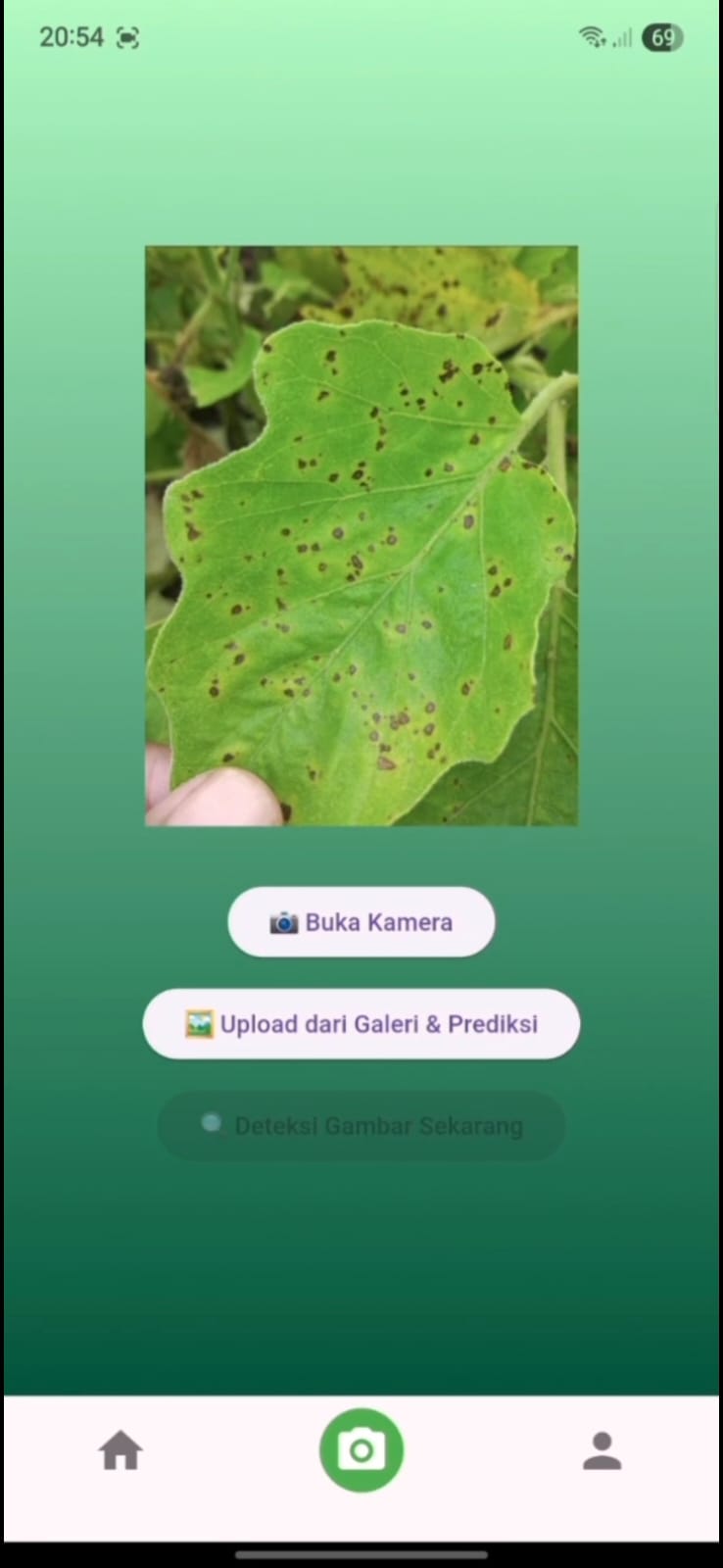
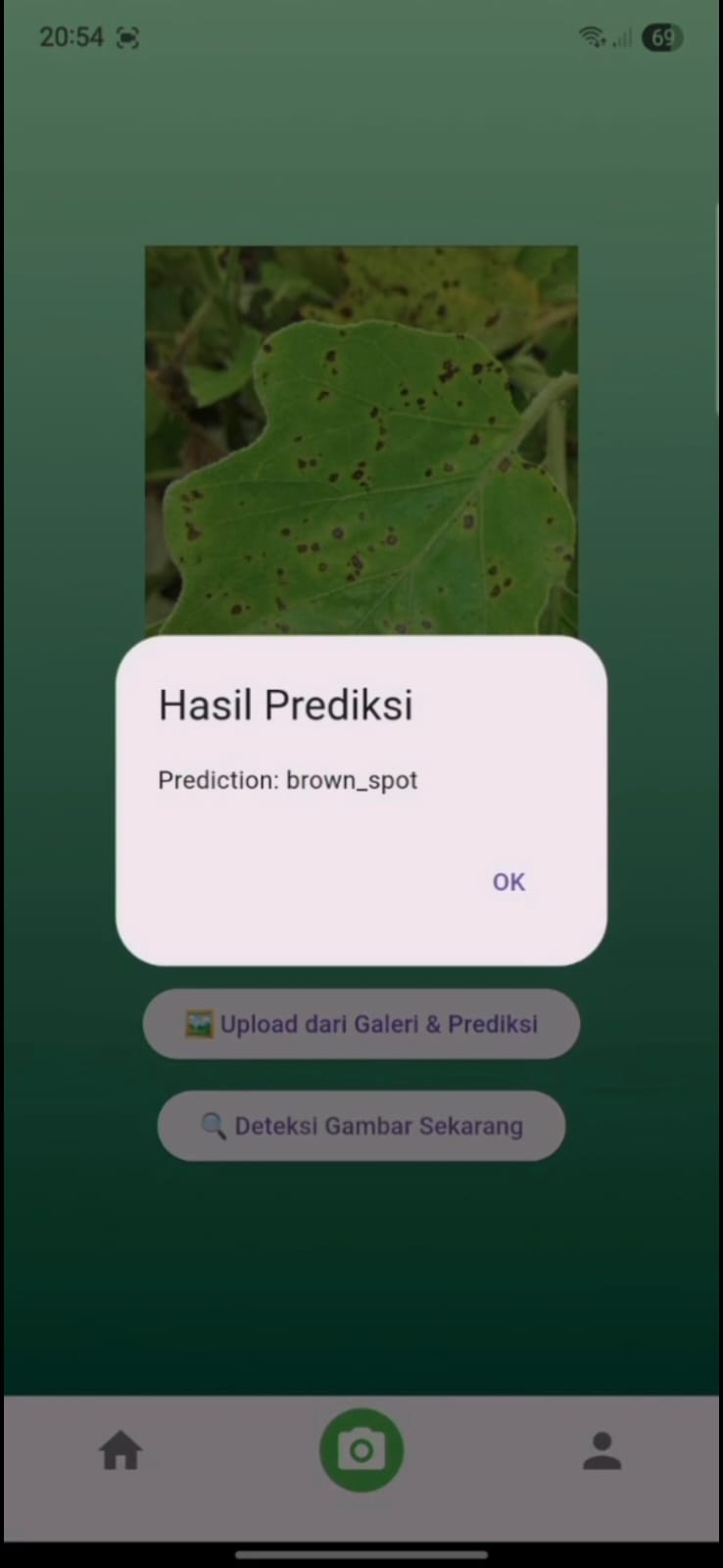
The final app pairs a Flutter mobile frontend with a TensorFlow CNN backend and Firestore for data handling, letting users photograph a leaf and get a health assessment back — no expertise required on their end.

LeafSpark final implementation
Final implementationDesigned to perform
04Outcomes

The impact,
made tangible.

0179%

Model accuracy achieved after tuning

024 mo

From data collection to working model

03CNN

Custom-tuned convolutional architecture

Next case study / 2025

Chatapp Frontend

Keep exploring